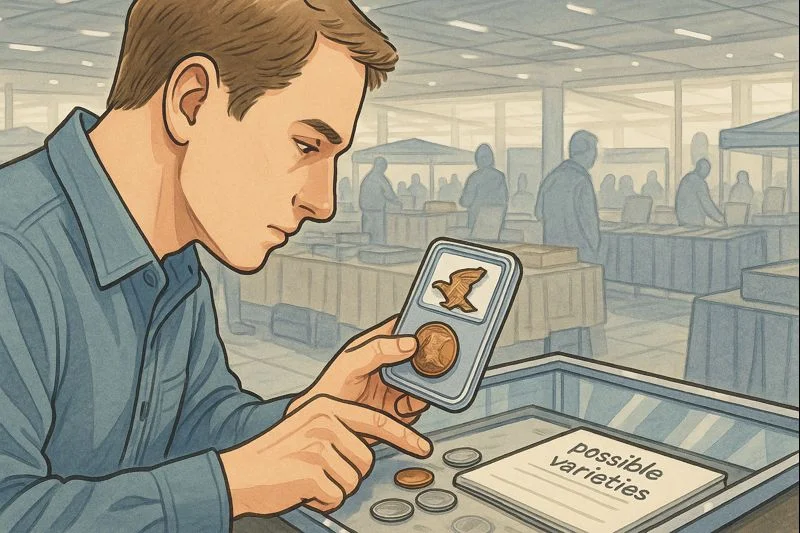
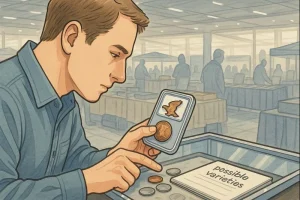



If you’ve never been to a coin show, buckle up! It can be overwhelming at first, but in the best way possible. People trade stories as much as they trade coins, and you’ll spot everything from budget-friendly finds to pieces you’ve only seen in books.
With a little guidance, a few smart habits, and the best coin identifier app uploaded to your smartphone, you’ll enjoy the fun parts, skip the stressful ones, and walk out feeling like you’ve truly joined the numismatic world.

Before the Show: Preparation That Makes All the Difference
Coin shows can be overwhelming the first time you walk into one—row upon row of tables with experienced dealers, bright lights reflecting on silver and gold, and hundreds of collectors searching for their next great find. To ensure a smooth, enjoyable, and even productive experience, seasoned numismatists always begin with good preparation.
Research the Event in Advance
Every coin show has its own character. Some focus on world coins, others on U.S. classics, bullion, or ancient currency. Before attending, take a few minutes to explore:
- Location and schedule
- Dealer list and exhibitor specialties
- Workshops or grading demonstrations
- Admission fees and parking details
This preview helps you avoid surprises and plan your time efficiently.
Define Your Goals Before You Arrive
Visitors come to coin shows for different reasons — buying, selling, trading, learning, or simply enjoying the atmosphere. Setting a goal helps you focus and prevents impulse purchases.
Depending on your skill level, budget, and wishes, you might set a goal like these ones:
- Finding a key date missing from your collection
- Upgrading a lower-grade coin
- Buying bullion at competitive prices
- Asking experts about grading or authentication
- Exploring new collecting themes
A clear direction makes the show more rewarding.
Bring the Right Payment Options
Many dealers still prefer cash, especially for bullion or lower-value coins. Card payments may include small fees, and not every table uses digital payment tools. Carrying cash — safely stored — gives you more flexibility and negotiation strength.
Create a Price and Identification Reference Kit
Coin shows move quickly. You don’t want to stand at a table searching endlessly online for a price or variety guide. Bring items such as:
- A short wish list
- Recent price notes
- Printed references for key dates or varieties
- A small notebook for quick comparisons
This preparation keeps you confident at the negotiating table.
Dress Comfortably—Your Feet Will Thank You
Coin shows can last hours. With long aisles and dense layouts, you may spend more time walking and standing than you expect. Comfortable shoes and light clothing keep you focused on coins rather than discomfort.
Navigating the Show: Etiquette, Smart Tools, and Strategic Buying
Once you walk into the exhibition hall, you are immediately enveloped by decades of numismatic history, an erudite dealer population, and literally thousands of coins to select from.
How you communicate, examine, and decide on items will define your entire experience. This is where the more seasoned collector will draw upon etiquette, proper tools, and keep the best free coin identifier app nearby to maintain efficiency and confidence.
Practice Respectful and Effective Etiquette
Coin shows run on professionalism and respect. The dealers sit behind their tables for long hours, and good relations open doors to even better deals and advice that is trustworthy.
Keep these rules in mind:
- Greet dealers politely before browsing their inventory.
- Avoid interrupting transactions already in progress.
- Ask clear questions about pricing, origin, and grading.
- Handle coins carefully — always by the edges and only with permission.
- Don’t push aggressive haggling. Negotiation is welcome, but fairness earns more respect than lowball offers.
A good attitude often results in better prices, future discounts, or access to unseen inventory.
Bring the Right Tools for On-the-Spot Inspection
Experienced numismatists come prepared. These simple tools prevent purchasing mistakes:
- A jeweler’s loupe (10x–20x) for mint marks, errors, and surface details.
- A smartphone for taking quick notes or photos.
- Soft gloves or a microfiber cloth for careful handling.
- A small zippered pouch or case to keep your purchases safe throughout the day.
These items fit easily in a small bag and help you inspect coins confidently.
Use Digital Tools to Validate Coins Instantly
Modern collectors rely heavily on mobile technology for fast information at coin shows. A straightforward solution like Coin ID Scanner is especially handy because it gives you quick insights without slowing down your visit.
It offers:
- Photo identification to confirm key details
- Accurate specs including mint years, metal composition, weight, and diameter
- A large global database of over 187,000 coins
- Digital collection management to track new finds
- AI assistance for variety, rarity, or valuation questions
This streamlined support helps you avoid rushed decisions and verify coins before buying.
Move Through the Show Strategically
Many beginners rush into purchases at the first few tables. That’s a mistake. Instead:
- Walk the entire floor first. You’ll understand price ranges and offerings.
- Mark interesting finds on your phone or notebook.
- Return later once you’ve compared options.
Coins often appear at multiple tables — but prices can differ more than you expect.
Avoid Impulse Buying
Dealers know how to display coins attractively. Enthusiasm is natural, but smart collectors follow these rules:
- Think twice before purchasing the first appealing coin you see.
- Compare similar pieces across the show instantly via the coin appraisal app.
- Re-check your reference notes before committing.
Disciplined buying protects your budget and ensures that each coin you select truly belongs in your collection.
After the Show: Verifying, Organizing, and Building Long-Term Collecting Habits
The most exciting thing about a coin show is walking out with new finds in your bag, but it is what you do thereafter that dictates the real value of those purchases. Seasoned numismatists treat the post-show process with as much care as the buying stage. This is the time for authentication, documentation, and continued learning.
Inspect Every Coin Carefully at Home
Even when purchased from reputable dealers, coins should be examined again in a calm, controlled environment. Use proper lighting and handle each coin by the edges.
Check for:
- Surface quality: Look for hairlines, cleaning marks, or unnoticed scratches.
- Strike clarity: Verify that details match what you saw at the show.
- Edges and rims: Ensure no retooling, filing, or hidden damage.
- Color and luster: Compare with standard examples of the same type and grade.
Taking a few minutes to reevaluate ensures you didn’t miss critical details in the busy show environment.
Verify Authenticity and Specifications
Authenticity is essential, especially when acquiring older, rare, or higher-value coins. Experienced collectors use simple but effective verification steps:
- Measure weight and diameter with a digital scale and calipers.
- Compare mint marks and design elements to trusted references.
- Use certification numbers to check slabs on NGC or PCGS databases.
- Research the coin’s typical characteristics—metal content, variety markers, and known issues.
If something appears inconsistent, address it early with the dealer while return windows are still open.
Use Digital Tools to Confirm Details and Organize Your Finds
Modern collectors rely on fast, accurate digital assistance to keep track of their growing collections. A straightforward solution like Coin ID Scanner helps streamline the verification and cataloging process by offering:
- Photo-based identification to confirm coin details
- Official specs such as year, metal, diameter, and weight
- A large database covering coins from many countries and eras
- Digital collection management for storing photos, notes, and prices
- AI support that offers clarifications on rarity, history, and valuation
This makes post-show organization smoother and keeps your collection easy to navigate.
Document Purchases for Future Reference
Keeping accurate records is a habit seen in every seasoned collector. After the show, record:
- Purchase price and dealer name
- Date and location of the show
- Any certification or provenance info
- Notes on grade, condition, or unique traits
- Photos of the coin upon arrival
These notes become invaluable for insurance, resale, or future grading decisions.
Connect With the Community After Attending
Coin shows often inspire deeper interest in the hobby. Extend that momentum by:
- Joining local clubs or online forums
- Sharing your finds to get feedback
- Watching educational videos or attending webinars
- Reading numismatic publications to stay informed
These interactions improve your knowledge and give you access to insights you may not find on your own.
Plan for Your Next Show
Use your latest experience to refine your approach. Consider:
- Which coins were hardest to evaluate?
- Which tools would have helped on the spot?
- Which dealers felt the most reliable?
- Did you stay within your budget and goals?
This kind of reflection builds your expertise and makes every future show more enjoyable and productive.
A coin show doesn’t end at the exit door; the real value is in how you verify, organize, and learn afterward. By carefully examining your new coins, using modern digital tools to your advantage in clarity, documenting your purchases, and maintaining the connections to the community, you turn each visit into lasting progress. With thoughtful post-show habits, your collection becomes stronger, smarter, and much more meaningful over time.